About the Breed:
Developed in Germany in the late 19th century, the Leonberger was initially developed as a companion breed. Despite these origins, Leonbergers have long been employed as versatile working dogs on farms, pastures, waterfronts, trails and more.
Leonbergers have a gentle nature and serene patience, and they relish the companionship of the whole family. A huge and powerful dog, yes, but the Leonberger is also known for his aristocratic grace and elegance. A male can stand over 31 inches at the shoulder and weigh as much as a full-grown human. Females run smaller but are still a whole lot of dog. Breed hallmarks include a medium-long waterproof coat, lush triangular ears, a bushy tail, and a black facemask that frames kindly dark-brown eyes. A dramatic feature of the male’s coat is the lion-like mane around the neck and chest. A well-built Leo moves with an easy, elastic gait. A Leo is friendly but nobody’s fool. As watchdogs and all-around workers, they exhibit intelligence and sound judgment. Leos require lots of brushing, ample room for romping, and unlimited love.
Leonbergers are remarkably adaptable and thrive in both rural and suburban environments. Their calm temperament makes them excellent therapy dogs, and they are often used in search and rescue operations due to their strength and intelligence. With proper training and positive reinforcement, Leonbergers are quick learners and build strong bonds with their handlers.
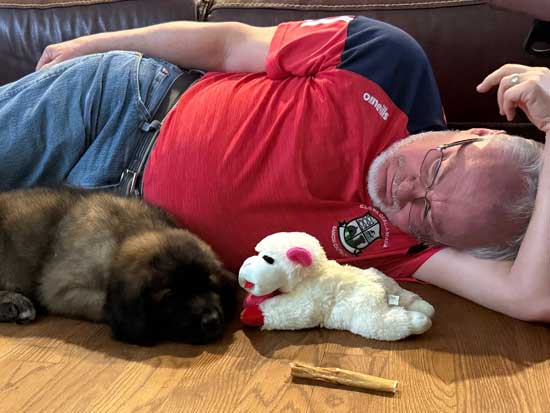
“Truly” Kalahari’s Tidings of Love at Lazy Paws is our first Leonberger, and we’re training her for conformation and obedience. We often get questions about our puppy training and socialization; check back to follow her progress.
Beginning Training- 8 weeks
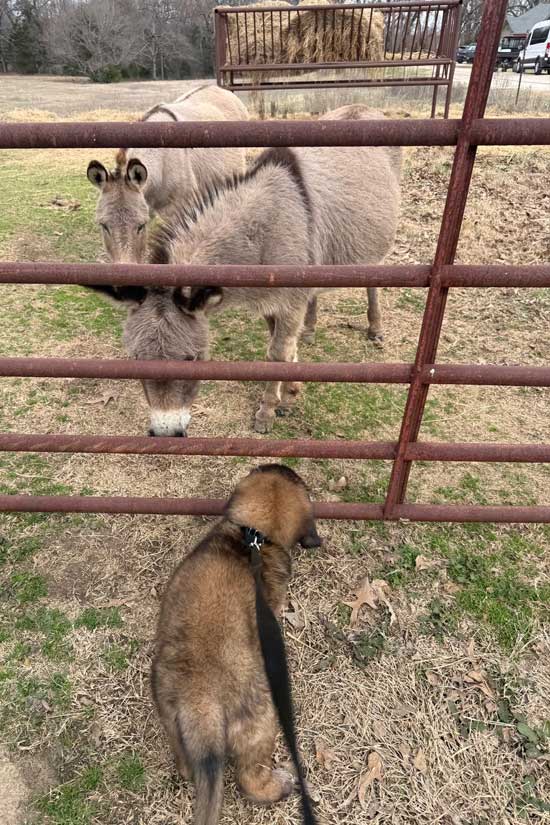
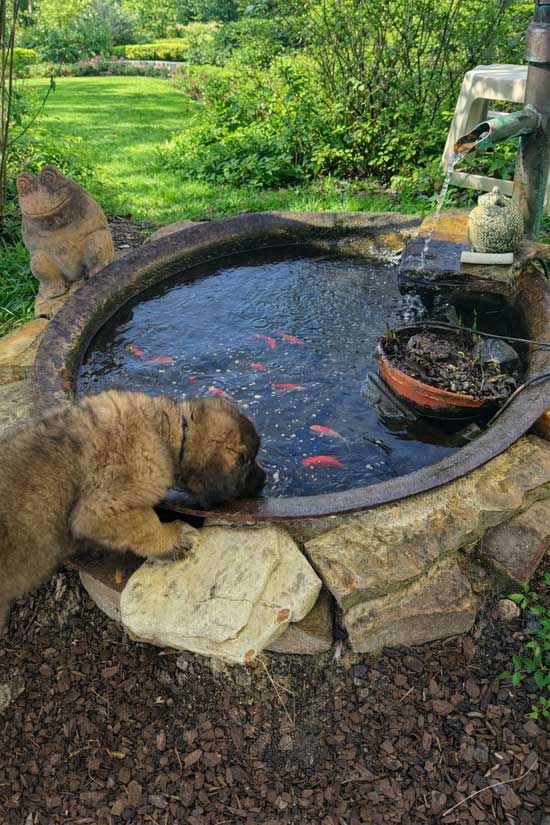
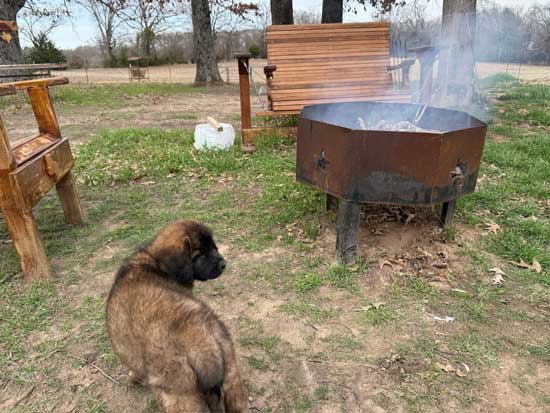
As soon as Truly arrived, we were ready to jump into training her. Early socialization is key for confident dogs. After the second vaccine, puppies can socialize off the property. Training starts with short walks on a 6-foot leash and martingale collar. Truly quickly got used to her collar and walking loose-leash around the property. She meets various animals and joins us for daily chores, exposing her to sounds like vacuums, tractors, and saws.
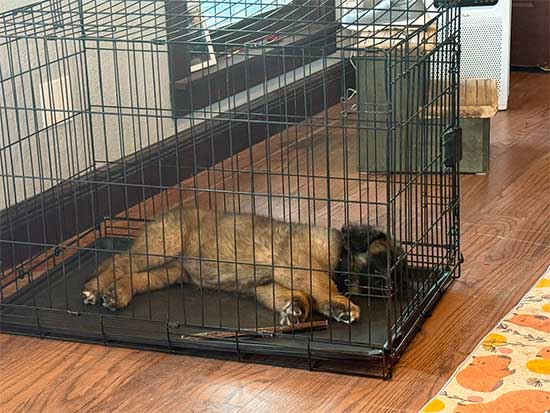
She has learned crate training and eats and naps in her crate, which helps her get used to household activity and build rest habits for future shows. Though we have several house dogs, she’s only met two Goldens and our Papillon, always under supervision.